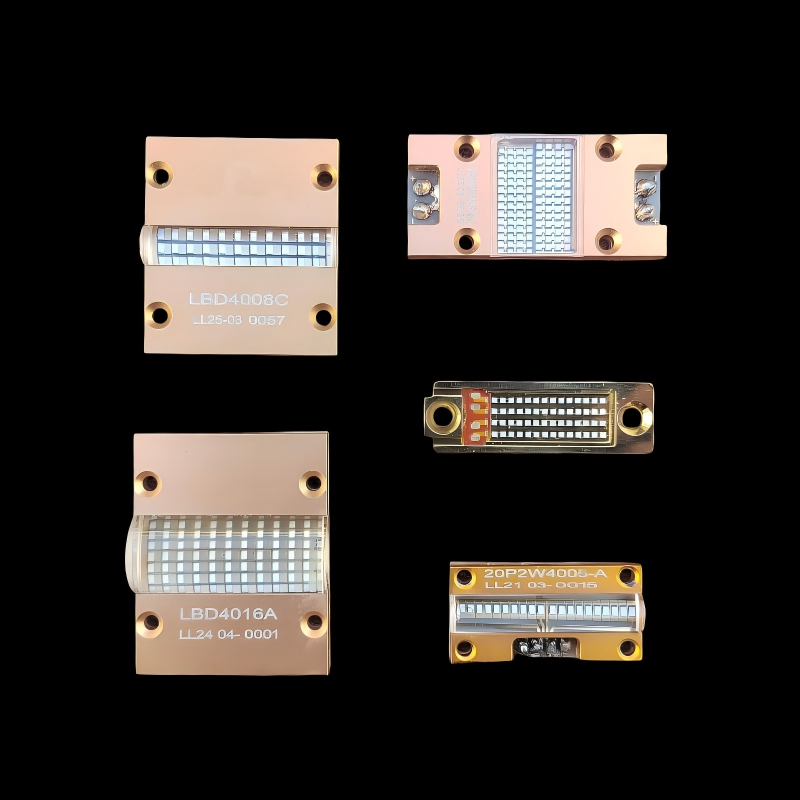
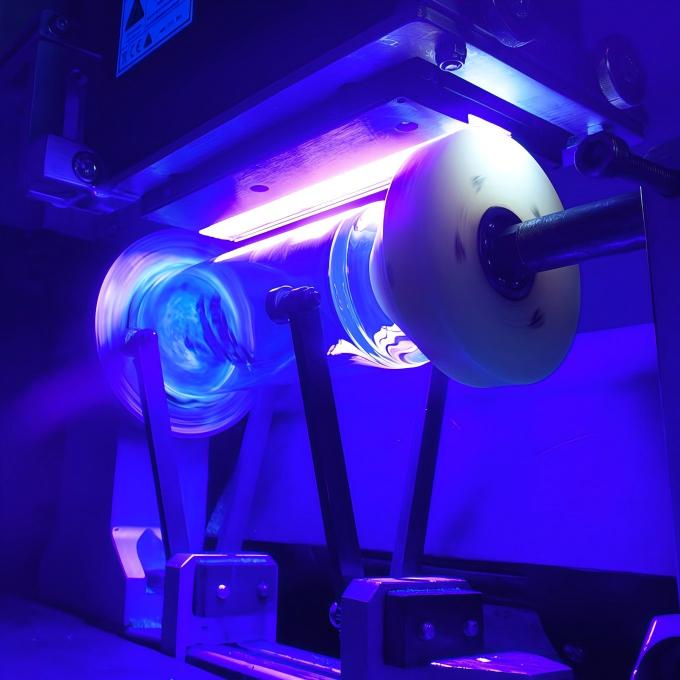
Lighthouse UV LED Module for Curing ,Printing ,Oven ,Medical and Thermal Imaging Machines
UV curing is an advanced photochemical process that utilizes ultraviolet (UV) light to rapidly harden or dry coatings, adhesives, and inks. Unlike traditional drying methods that rely on heat or evaporation, UV curing initiates an instant polymerization reaction, allowing for faster production speeds, lower energy usage, and superior finish quality.
Thanks to its efficiency, precision, and eco-friendly nature, UV curing has become a go-to solution in industries ranging from printing to electronics and medical device manufacturing.
How Does UV Curing Work?
The core of the UV curing process is a fast-paced chemical reaction called photopolymerization. Here’s how it happens:
Key Components of UV-Curable Materials:
Oligomers and Monomers: These are the base molecules that link together to form the hardened polymer structure.Photoinitiators: Specialized compounds that absorb UV energy and trigger the curing process by releasing free radicals or acidic species.
The Curing Process: When exposed to intense UV light, photoinitiators activate and initiate a chain reaction. This causes the monomers and oligomers to cross-link rapidly, forming a tough, solid polymer in a matter of seconds or milliseconds.
Advantages of UV Curing Technology
UV curing offers several benefits over conventional drying techniques like heat ovens or solvent evaporation:
Ultra-Fast Processing :Cure times are measured in seconds, enabling high-speed production lines and reduced downtime.
Superior Quality and Performance :Produces smooth, durable finishes with enhanced scratch, chemical, and UV resistance.Offers excellent adhesion and dimensional stability.
Environmentally Friendly :Most UV-curable formulations are solvent-free, significantly reducing VOC emissions and air pollution.
Energy Efficiency :Consumes less power compared to traditional thermal curing methods, contributing to lower operational costs.
Compact System Design :UV curing equipment requires minimal floor space, making it ideal for facilities with space constraints.
Common Applications of UV Curing
Thanks to its versatility, UV curing is widely adopted across many industries:
Printing and Packaging : Instant drying of UV inks on paper, plastic, glass, and metal—ideal for high-speed, multi-color printing with excellent definition.
Protective Coatings : Applied to wood, plastics, metals, and composites to create durable, aesthetically pleasing finishes in automotive, electronics, and furniture manufacturing.
UV-Curable Adhesives : Used in electronics, optics, and medical devices for precision bonding with fast turnaround times.
3D Printing : UV curing is the backbone of photopolymer-based 3D printing, solidifying resin layer by layer to build complex structures.
Medical and Dental Applications : Essential for producing dental fillings, syringes, and hearing aids, offering safe, fast, and accurate curing.
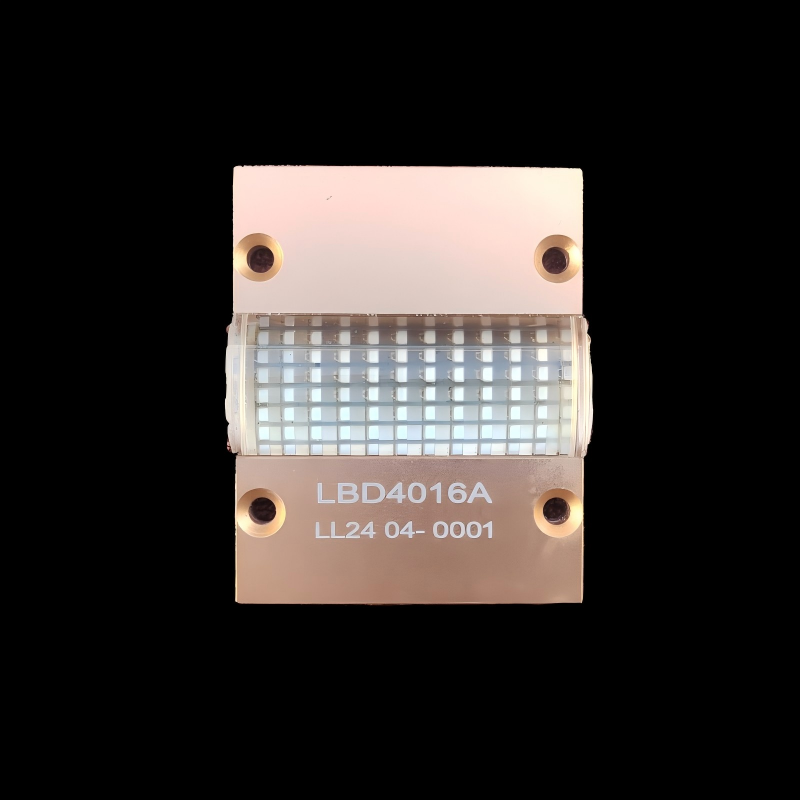
Specifications:
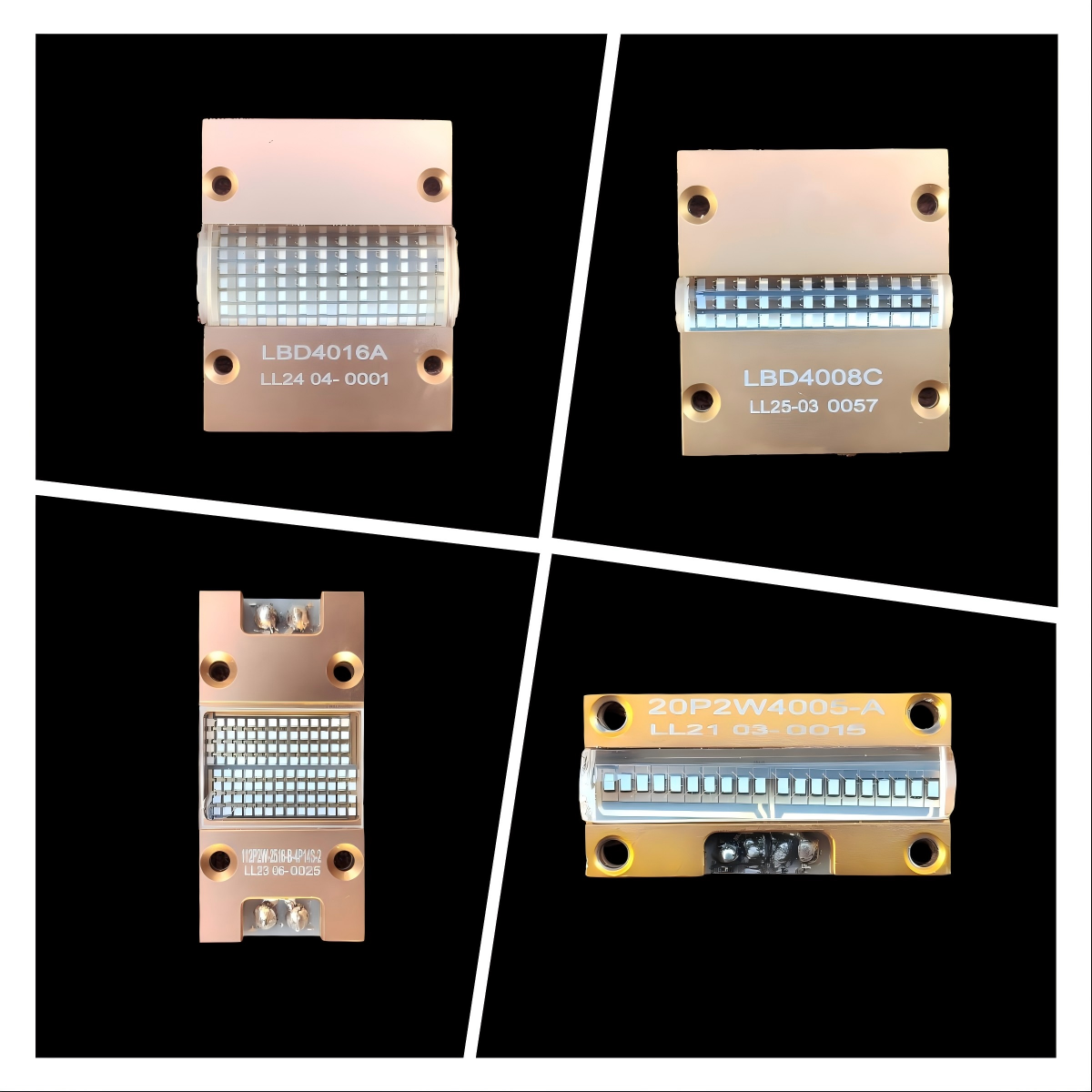
| Size : | 50*40*10 mm |
| Wavelength : | 400-405 nm |
| VF Voltage : | 36-46 V |
| IF Current : | 5600 MA |
| Light Power : | 100,000-120,000 MW |
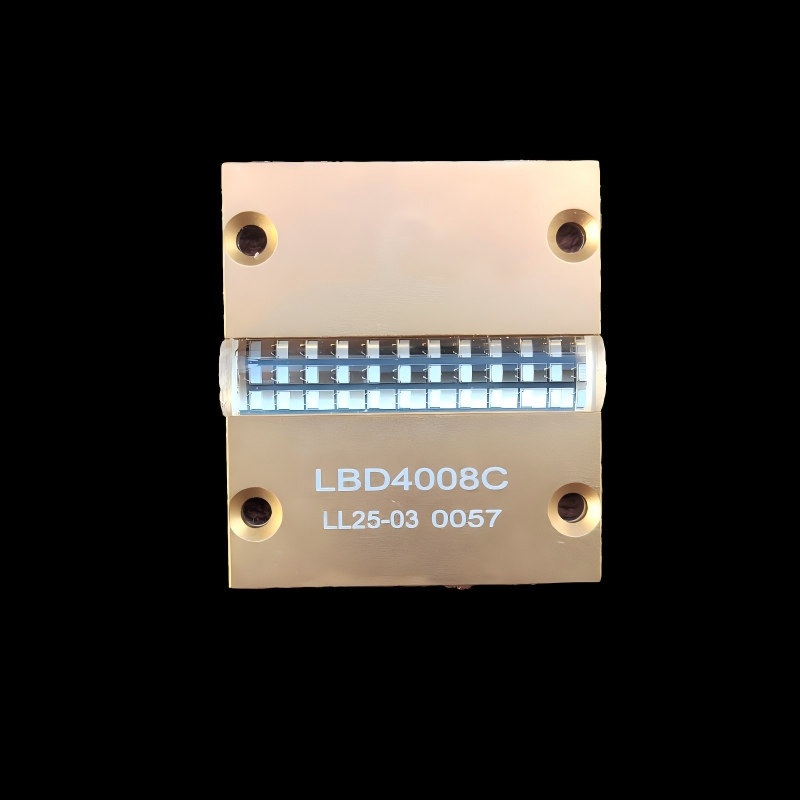
| Size : | 45*40*6.5 mm |
| Wavelength : | 400-405 nm |
| VF Voltage : | 36-46 V |
| IF Current : | 2100 MA |
| Light Power : | 36,000-40,000 MW |
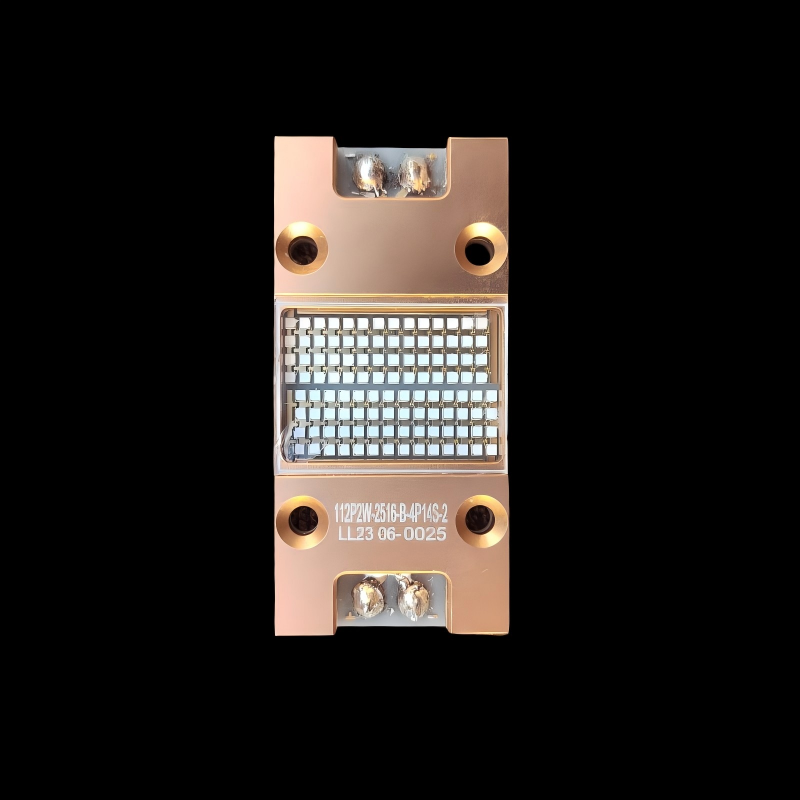
| Size : | 53*25*4.7 mm |
| Wavelength : | 400-405 nm |
| VF Voltage : | 42-54 V |
| IF Current : | 5600 MA |
| Light Power : | 110,000-130,000 MW |
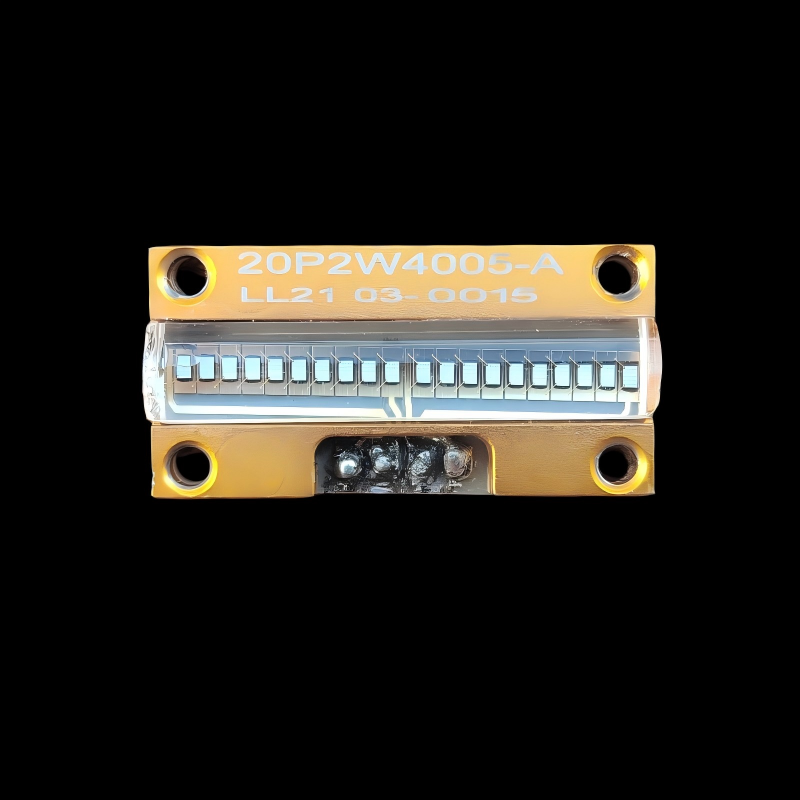
| Size : | 40*20*6.5 mm |
| Wavelength : | 400-405 nm |
| VF Voltage : | 30-38 V |
| IF Current : | 1400 MA |
| Light Power : | 20,000-24,000 MW |
Specifications:
| Size : | 50*40*10 mm |
| Wavelength : | 400-405 nm |
| VF Voltage : | 36-46 V |
| IF Current : | 5600 MA |
| Light Power : | 100,000-120,000 MW |
| Size : | 45*40*6.5 mm |
| Wavelength : | 400-405 nm |
| VF Voltage : | 36-46 V |
| IF Current : | 2100 MA |
| Light Power : | 36,000-40,000 MW |
| Size : | 53*25*4.7 mm |
| Wavelength : | 400-405 nm |
| VF Voltage : | 42-54 V |
| IF Current : | 5600 MA |
| Light Power : | 110,000-130,000 MW |
| Size : | 40*20*6.5 mm |
| Wavelength : | 400-405 nm |
| VF Voltage : | 30-38 V |
| IF Current : | 1400 MA |
| Light Power : | 20,000-24,000 MW |